Category Archives: Symbolism

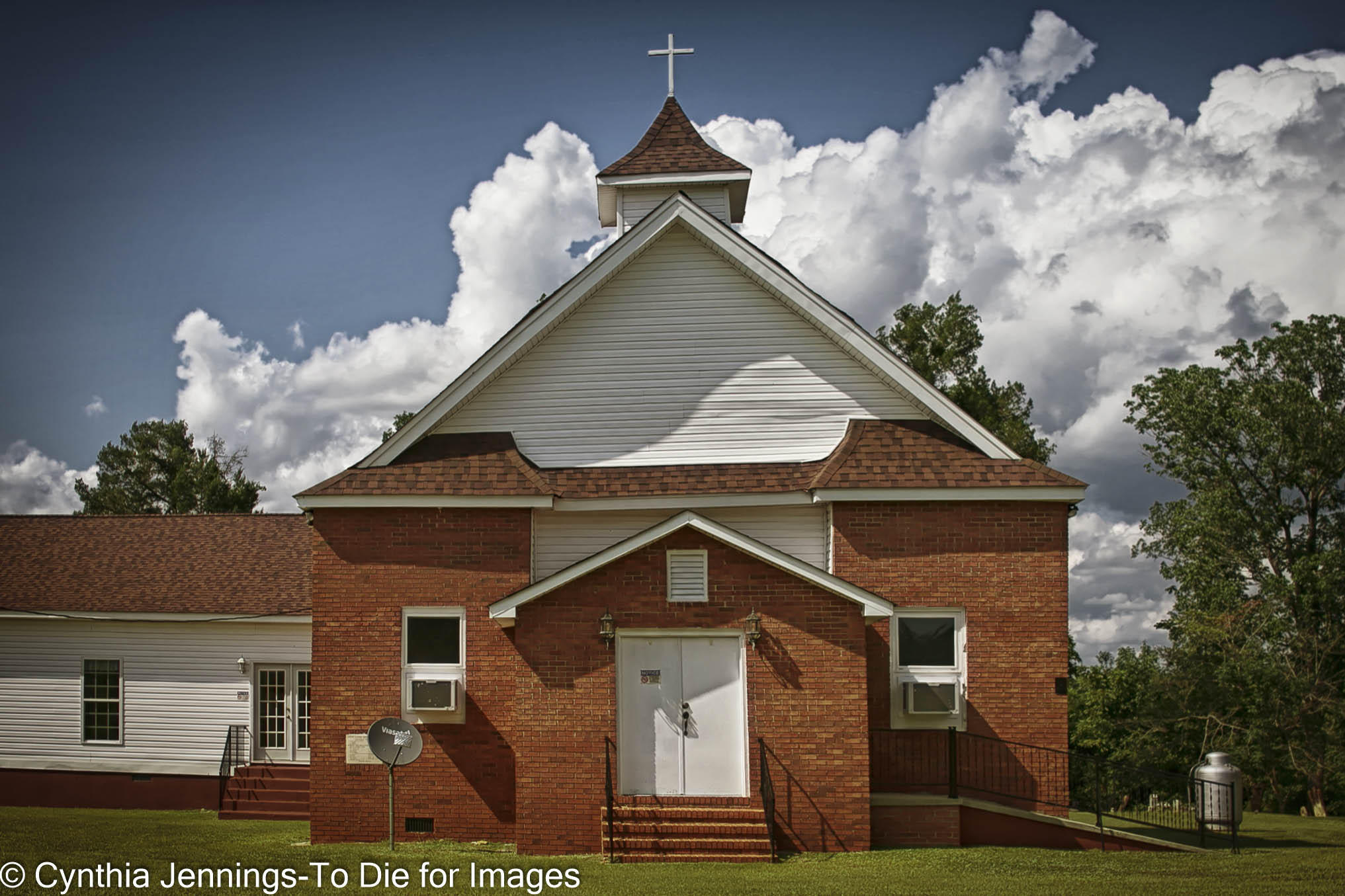
Caney Head Methodist Church-Roosterville, Georgia

Heard County

Caney Head Methodist Church is typical of a Southern rural church, but one of its most famous residents, Mayhayley Lancaster, a lawyer, political activist, midwife, and oracle, is not.

Mayhayley Lancaster, 1875-1955

As a woman with many professions, she was also the first woman to run for the Georgia legislature. Yet, she is most known for her roles in high profile Georgia trials. She was part of the defense team for the Leo Frank trial. Additionally, she played a role in the Wallace trial, later known as Murder in Coweta County. A made-for-tv movie later starred Johnny Cash and Andy Griffith.

Founded before 1833, the church started in another location about a mile from the current location. According to church records, there have been four church buildings. This one was built in 1897. Still an active church, the cemetery features several different types of grave markers that are prominent throughout the South.

Harriett Lancaster, 1852-1935-This is Mayhayley’s mother. The marker’s symbolism represents the Biblical quote, “In my Father’s house are many mansions.”
There aren’t many grave houses left. This is a well-maintained one.

Village Cemetery-St. Simons Island, Georgia

Glynn County
Peter Ramsey, 1873-1931

The Village Cemetery is located on the 258 acre Guale Preserve which is part of the Musgrove Plantation. It is a private cemetery that is only open to the ancestors of the enslaved who are originally buried there. This is one of the most incredible collection of vernacular headstones I have personally had the opportunity to document.

The glasswork and friezes are all done by an incredible artist(s). I tried to do genealogical searches to determine why these markers are here. Sometimes there are clues in the records, but I am unable to determine any.

My appreciation to Brian Brown to showing me this hidden treasure of a cemetery.

Hattie Lee, 1871-1929
John Davis, 1871-1927
Lucinda Ramsey, 1924-1956
William Ramsey, 1887-1952
Aaron Loman, 1891-1931
Camilla Sullivan, 1896-1923
Jim Hightower, 1884-1934
Albert Hampton, 1897-1937
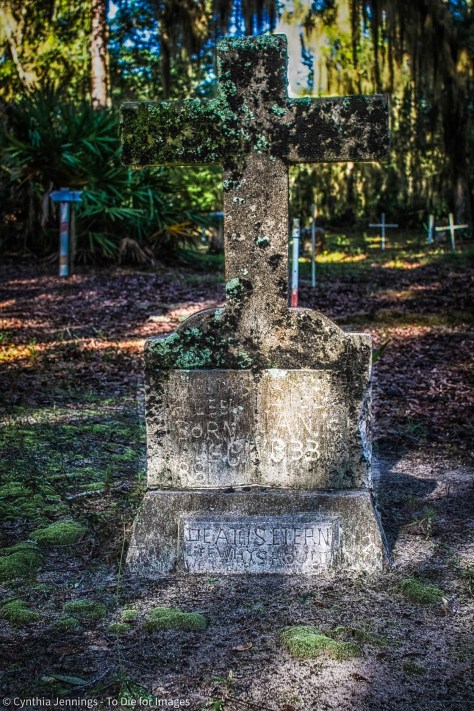
Thomas Lee, 1881-1933 – “Death is eternal. Life why should …”

The Greek Orthodox Section at Greenwood Cemetery-Atlanta, Georgia

Started in 1911, the Greek Orthodox section of Greenwood Cemetery is filled with impressive sculpture. On this one acre site, there are several monuments of unmatched artistry and a small chapel.

The Wonder of Life Monument-Spartanburg, South Carolina

In Spartanburg, South Carolina’s Greenlawn Cemetery, there is an impressive monument, sculpted by Bernard Zimmerman , called “The Wonder of Life.” Commissioned by the cemetery, it’s one of the largest monuments I’ve seen in a lawn cemetery. Each sculpted figure (18 in total) represents different aspects of life. It was restored a a few years ago, and the trees that surrounded it were removed.

Smith Grove Missionary Baptist Church-Jefferson County, Georgia

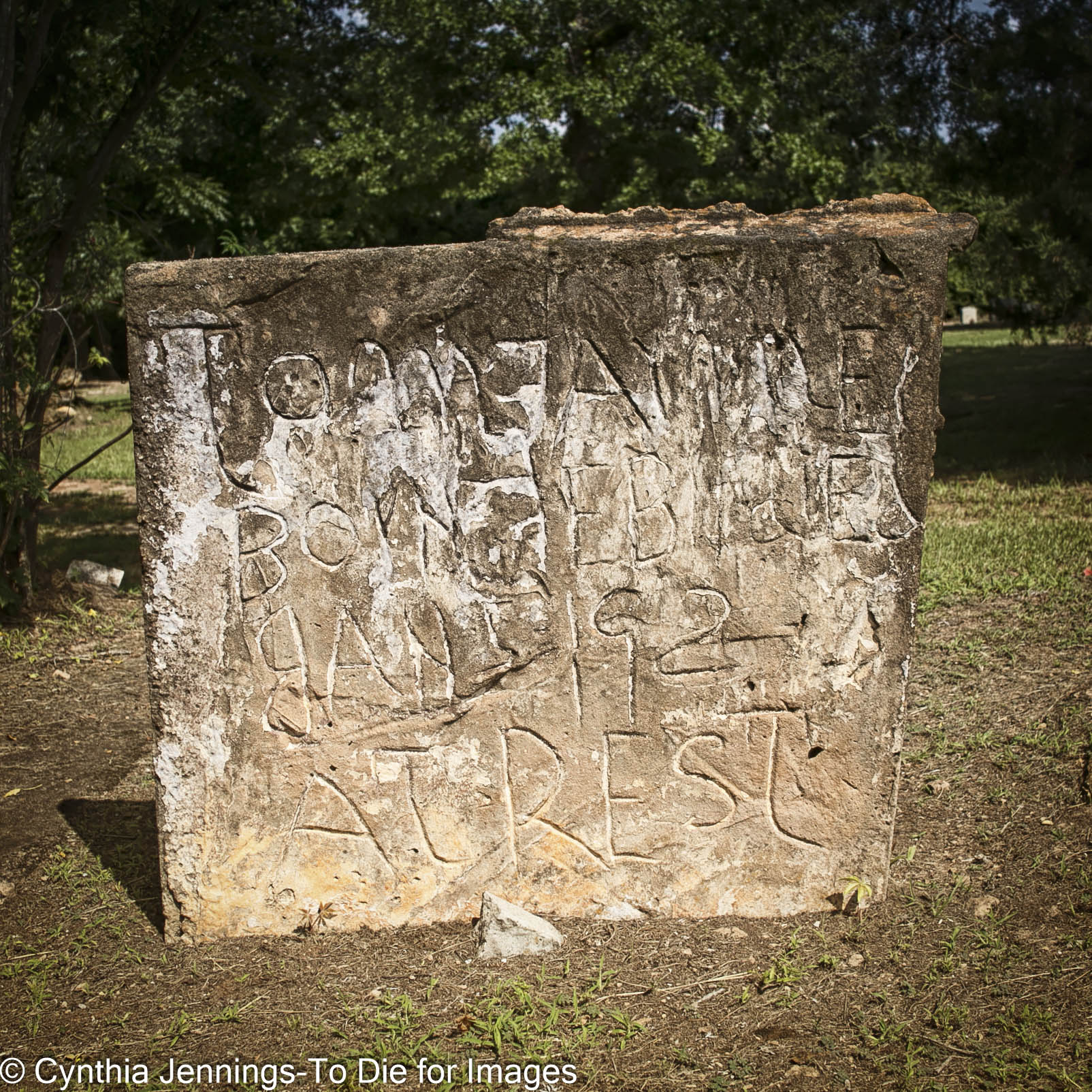
This a well cared for church and cemetery in Jefferson County, Georgia. The vernacular headstones and some of the ledgers are incredibly interesting. One of the ledger stones reminds me of stained glass. I wondered as I photographed it if glass was once there.

In doing a doing genealogical search, I am unable to determine why it is Professor Lewis Seabrook. I was hoping to find out that he was a professor for a local college. In census data, he is listed as a farmer. Maybe he was just so knowledgeable that he earned that name.

The church was founded in 1867. It was one of the founding members of the Walker Baptist Association. Members initially all hailed from the plantation of Noah Smith.

St. Andrews Church-Prairieville, Alabama

Hale County

This Carpenter Gothic church is located in Prairieville, Alabama. The congregation of St. Andrews Episcopal Church was founded in 1834. Enslaved laborers built this incredible church in 1856. These builders were loaned to the church by members who were slaveholders.

The cemetery contains a significant amount of ironwork and fencing. Many posts featured common symbols found in a cemetery. The upside-down torch represents a life that has ended or snuffed out. The arrows represent mortality. If you look closely at the road, you will see three leaves, and that represents the Holy Trinity of the Father, the Son, and the Holy Spirit.