Smith Hill Cemetery is located in the southwest part of Talbotton, Georgia. Like many cemeteries in Georgia, it illustrates a community’s history and funerary art changes through its landscape and the types of headstones found throughout the cemetery.

Located on a hill, the cemetery is almost completely overgrown except for specific cleared areas for more recent burials. It is said that this cemetery started as a cemetery for the enslaved, but this is frequently said about overgrown cemeteries that are a final resting place that serves the Black community. For this one, it is certainly possible because Talbot County’s 1860 Slave Census shows over 4,000 people held in bondage, and there was a plantation in the area. However, I did not locate any research that confirmed this. Still, it is a historic cemetery active since the late 1800s.

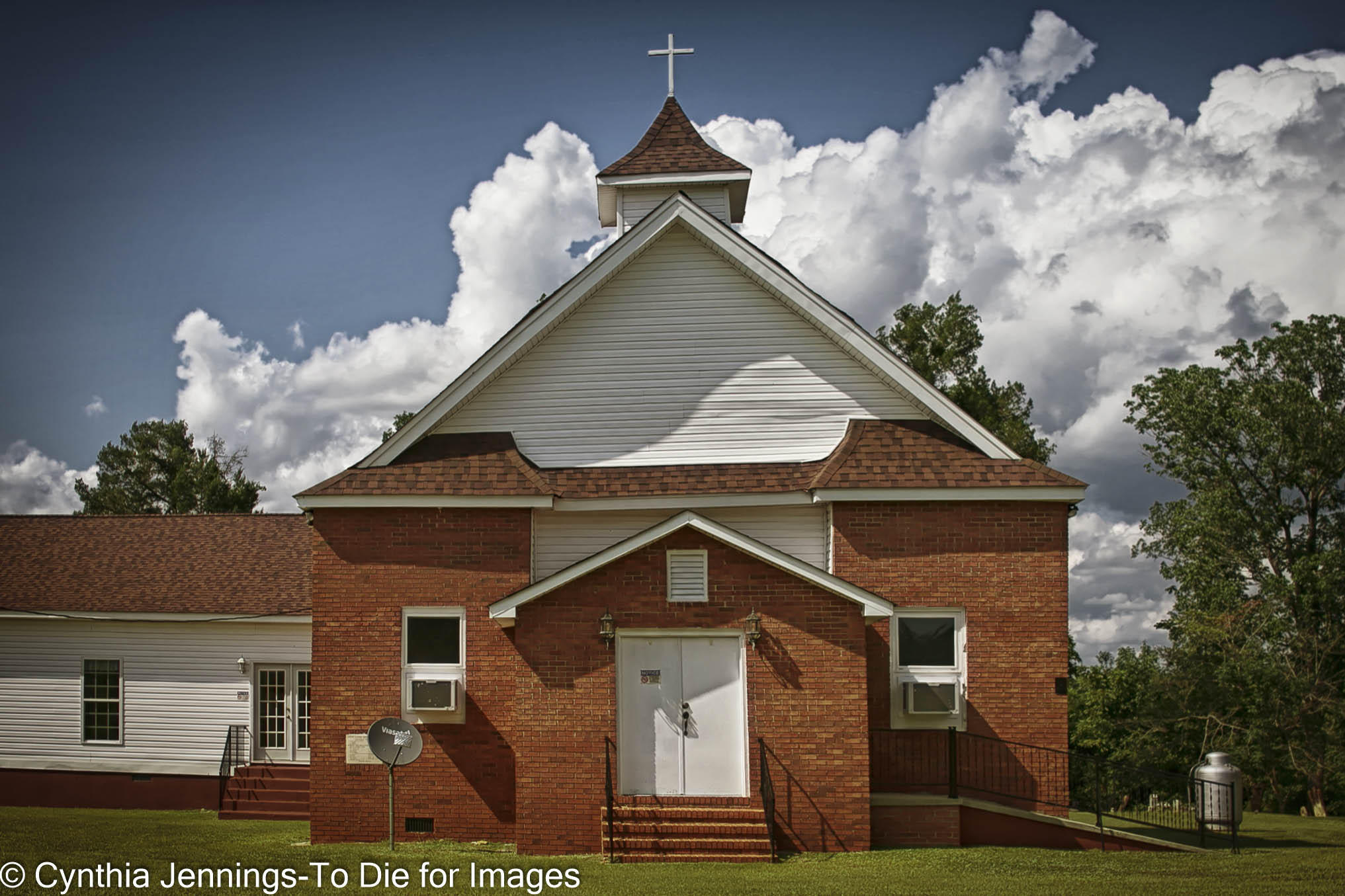
What is known is that this has served the Black community as a final burying place for several generations. Researching old obituaries, I found that church members from the nearby St. Phillips AME Church, Shady Grove Baptist Church, and other area churches are buried here. Some common names in the cemetery are Trice, Kimbrough, and Martin.

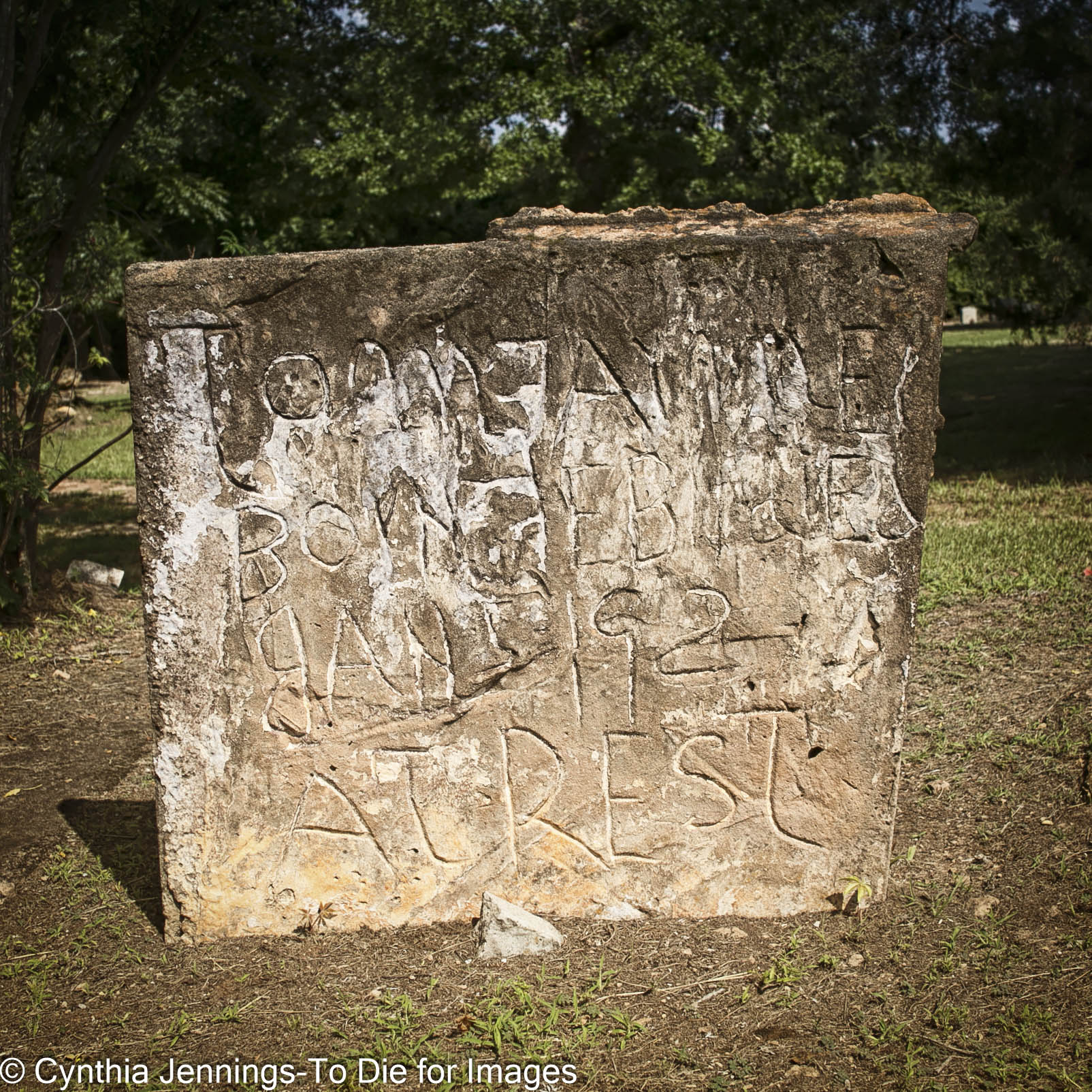
There are many influences on markers, from Victorian-influenced ones to handmade ones, field stones, ironwork, and modern markers. A common form of handmade headstones in Georgia is the rounded concrete one. Often, marbles are used as a decorative addition to the marker. They are some of my favorite ones to find in a cemetery. The concrete headstone of the Riley family is a new favorite. The combination of the marbles and the line drawings makes it incredibly unique.

Additional markers in the cemetery include a painted blue Eldren Bailey marker, fieldstones, and a homemade obelisk with name plates made of professionally made marble. More recent burials use a common granite form found in almost any cemetery in the United States. However, a more recent handmade brick crypt was made for Willie Battle.


If you are into exploring cemeteries, don’t skip the lesser-visited or overgrown ones. You never know what you might discover. Some people are a bit more daring than I am and will visit during high snake and tick season, but Smith Hill Cemetery is the perfect cemetery to visit in the fall and winter once there is a chill in the air.