Temple Beth Tefilloh was established in 1886 by 21 local families. Jewish architect Alfred S. Eichberg, the architect for the Brunswick City Hall, designed the temple, which was dedicated on November 7, 1890. It is one of the few remaining Moorish-influenced temples in the South. The building has been in continuous use since its opening. The stained glass windows are original to the construction.
This stained glass window features the Ten Commandments. The eternal light continues to burn.
Glynn Academy, founded on February 1, 1788, is the second oldest high school in Georgia and the fifth oldest in the U.S. Originally serving all grade levels, its first recorded graduating class in 1888 included four girls and two boys. The school’s roots trace back to Georgia’s 1777 constitution, which envisioned a public education system.
The original Glynn Academy building, now called Alumni Hall, was built in 1840 on Hillsborough Square and is the oldest wooden schoolhouse in Georgia. It is adjacent to the still-active Glynn Academy. It served as Brunswick’s only public school building for over 50 years and also hosted Superior Court sessions after being moved to Sterling in 1915, where it served as a school for Glynn County’s Black schoolchildren. It was returned to its original site in 2008. Today, it is the only surviving antebellum structure in Glynn County and the second-oldest wooden schoolhouse in the nation.
Article and image from the July 28, 2008 issue of The Islander
Saint Simons Lighthouse is one of five remaining lighthouses in Georgia. It and the Keeper’s House was built in 1872. It replaced a lighthouse destroyed by the Confederate troops in 1871 because there was concern that Federal troops would use the light to guide them to shore.
The Keeper’s Dwelling is a two-story brick structure with Italianate details. It was used until the 1950s and now serves as the Lighthouse Museum. Visitors can climb the 129 steps to the top of the lighthouse to get the same view as the lighthouse keeper.
Founded in 1866 by freedmen and women on Hofwyl-Broadfield Plantation as Broadfield Baptist Church. The structure was built in the 1870s and was redesigned when the congregation moved to its current location in 1885. At the time of the move, the congregation changed its name to Needwood Baptist Church. The one-room school was built in 1907 and used until the state of Georgia began school consolidation in the 1950s.
It was placed on the National Register of Historic Places in 1998.
The Good Shepherd Episcopal Church and School are two buildings that remain of a historic Black community known as Pennick in Glynn County, Georgia. The school and church were founded by Deaconess Anna Alexander in the early 20th Century. Deaconess Alexander was the first Black deaconess in the Episcopal Church. in 1998, she was named a Saint of Georgia by the Diocese of Georgia.
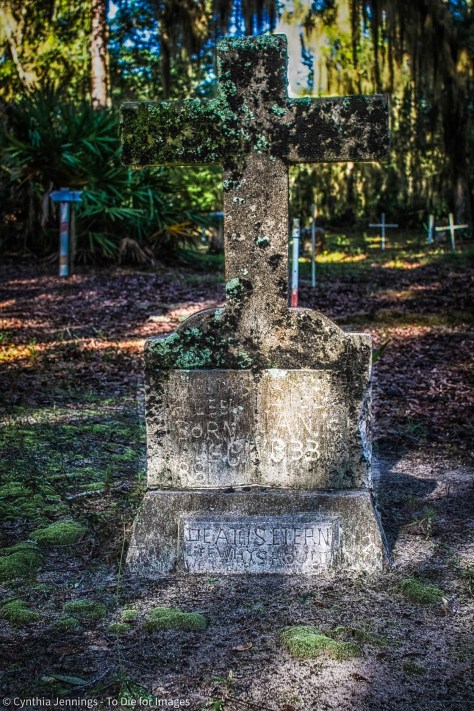
The Village Cemetery is located on the 258 acre Guale Preserve which is part of the Musgrove Plantation. It is a private cemetery that is only open to the ancestors of the enslaved who are originally buried there. This is one of the most incredible collection of vernacular headstones I have personally had the opportunity to document.
The glasswork and friezes are all done by an incredible artist(s). I tried to do genealogical searches to determine why these markers are here. Sometimes there are clues in the records, but I am unable to determine any.
My appreciation to Brian Brown to showing me this hidden treasure of a cemetery.
Hattie Lee, 1871-1929John Davis, 1871-1927Lucinda Ramsey, 1924-1956William Ramsey, 1887-1952Aaron Loman, 1891-1931Camilla Sullivan, 1896-1923Jim Hightower, 1884-1934Albert Hampton, 1897-1937Thomas Lee, 1881-1933 – “Death is eternal. Life why should …”
Websites store cookies to enhance functionality and personalise your experience. You can manage your preferences, but blocking some cookies may impact site performance and services.
Essential cookies enable basic functions and are necessary for the proper function of the website.
Name
Description
Duration
Cookie Preferences
This cookie is used to store the user's cookie consent preferences.